Expectations about the future of Palestine and Gaza…
This post is also available in:
 Türkçe
Given the violations that occurred after the latest ceasefire and the current political, legal, and military dynamics, we can analyze the possible scenarios and expectations for the next phase.
The process will most likely unfold in three main areas: the Military/Operational Sphere, the Political/Diplomatic Sphere, and the Legal Sphere.
Possible Scenarios for the Next Phase
Military and Operational Sphere (Gaza and the Region)
As long as military objectives remain unclear and trust cannot be established between the parties, the continuation of the conflict is expected.
Continuation of the Conflict and Local Guerrilla Warfare:
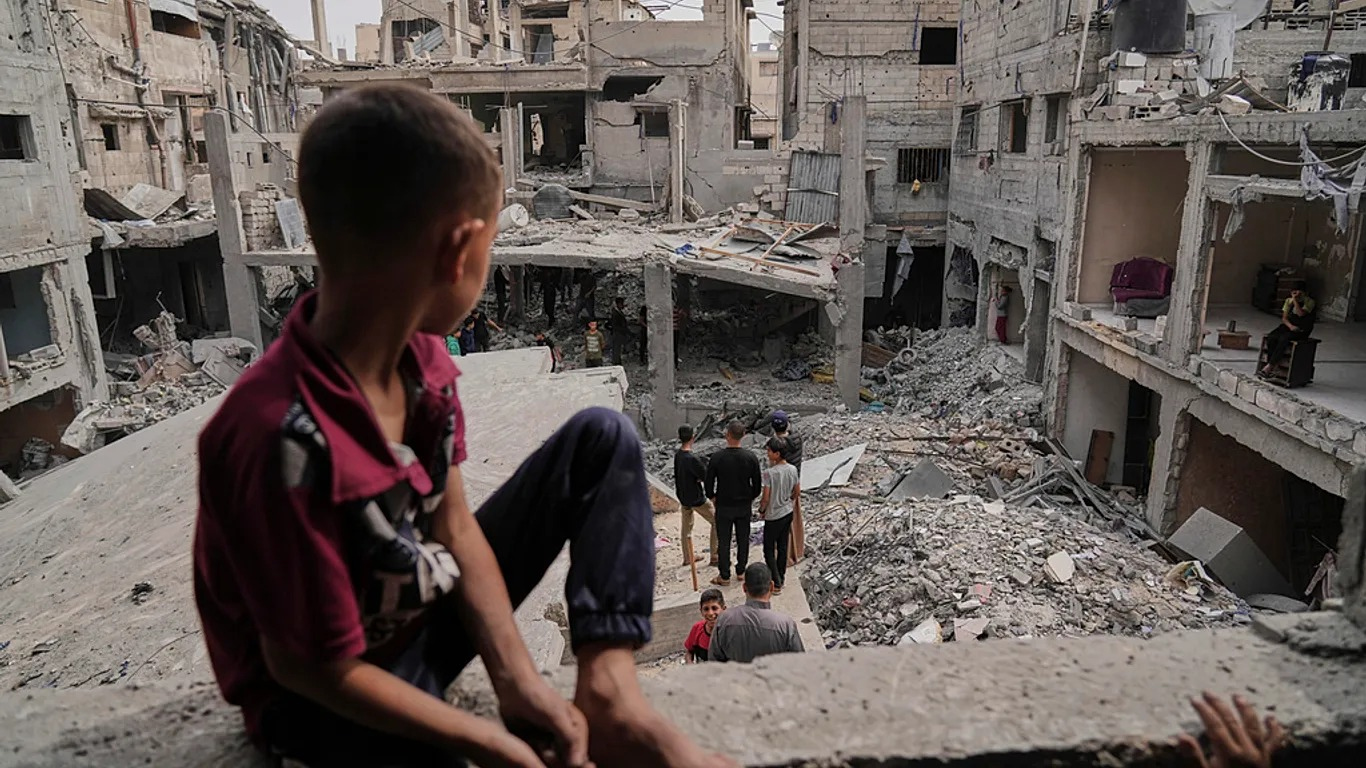
Since Israel has not yet achieved its goal of completely dismantling Hamas’s military and administrative capacity, it is likely that operations in Gaza will evolve into a narrower, more targeted, and prolonged “low-intensity” guerrilla war. This may slow down the pace of civilian casualties but will not eliminate them.
Status of Rafah:
Despite international pressure, a large-scale Israeli ground offensive on Rafah remains on the table as an option. Such a move would exponentially increase the humanitarian catastrophe and provoke maximum international backlash.
Northern Front (Lebanon):
Tensions between Israel and Hezbollah remain high, with a continuous risk of escalating into an uncontrollable regional war at any moment. Expansion on this front is the most significant risk factor that could fundamentally alter the entire process.
Political and Diplomatic Sphere
Mediation efforts by international actors and the regional normalization process will be decisive.
Hostages and New Ceasefire Negotiations:
Diplomatic efforts will continue toward achieving a new, short-term ceasefire agreement due to humanitarian concerns and pressure for a prisoner exchange. However, securing a permanent ceasefire appears difficult due to deep disagreements on the future of Hamas and Israel’s potential complete withdrawal from Gaza.
The “Day After” Plan for Gaza:
Formulating a concrete and broadly acceptable plan for who will govern Gaza after the conflict—likely involving the U.S., Egypt, Saudi Arabia, and other regional actors—will progress slowly. Reform and strengthening of the Palestinian Authority is a key component of this plan, but Israel’s reluctance poses a major obstacle.
Reviving the Two-State Solution:
The crisis generated by the conflict may push some international actors (particularly Europe and the U.S.) to revive the idea of a two-state solution. However, given the current radical positions of both Palestinian and Israeli leaderships, this seems politically impossible in the short term.
Legal Sphere (ICJ and ICC)
The pressure from international courts will continue to intensify.
International Court of Justice (ICJ) Pressure:
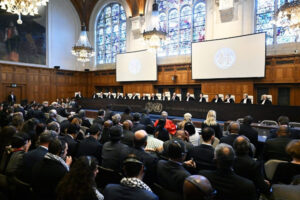
Pressure regarding the implementation of provisional measures in the genocide case brought by South Africa will persist. The ICJ’s decisions will continue to severely damage Israel’s international reputation and increase sanction pressure on third countries.
International Criminal Court (ICC) Investigation:
The ICC’s investigation into war crimes and crimes against humanity in Gaza will advance. The possibility of the ICC Prosecutor seeking arrest warrants for senior Israeli and Hamas officials would constitute the most serious legal development. This could lead to international travel and financial restrictions on individuals.
Overall Conclusion
The next phase will unfortunately unfold amid high humanitarian costs and significant political uncertainty. The continuation of military operations will fuel diplomatic deadlock, while international legal processes (ICJ and ICC) will remain the strongest tools for increasing moral and political pressure on both Israel and Hamas.
In this process, the mediation and humanitarian aid roles of Türkiye and other regional actors (Qatar, Egypt) will continue to be of critical importance.
.







Post Comment