What court rulings exist regarding Palestine? How many have been implemented?
This post is also available in:
 Türkçe
Decisions and Enforcement Status of International Courts Regarding Palestine
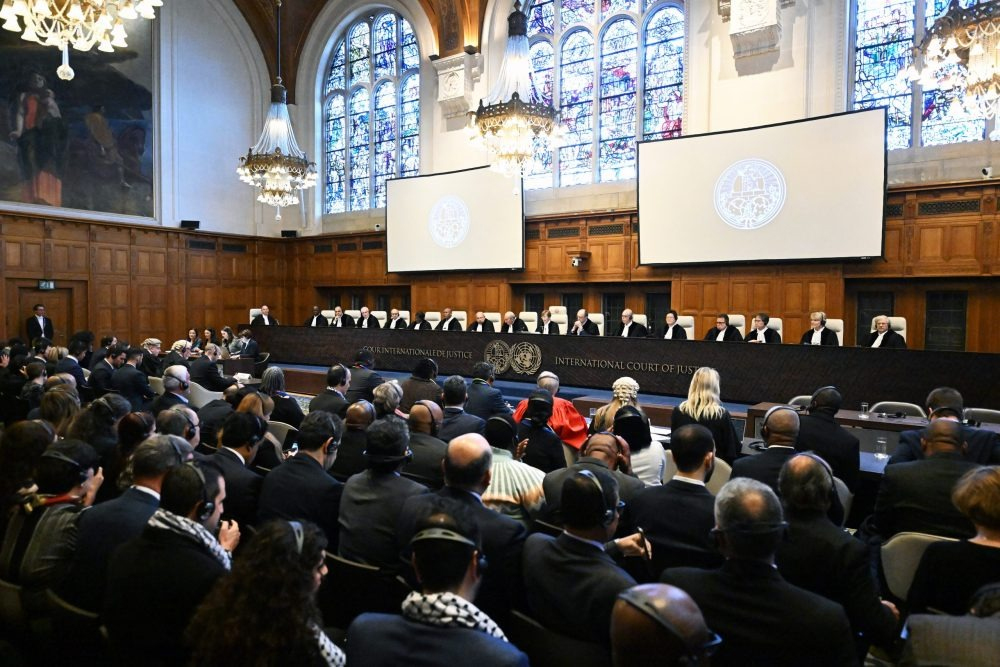
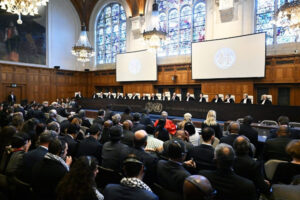
Concerning Palestine—particularly the severe humanitarian crisis witnessed in recent years—two major international courts have issued significant decisions and initiated investigations: the International Court of Justice (ICJ) and the International Criminal Court (ICC).
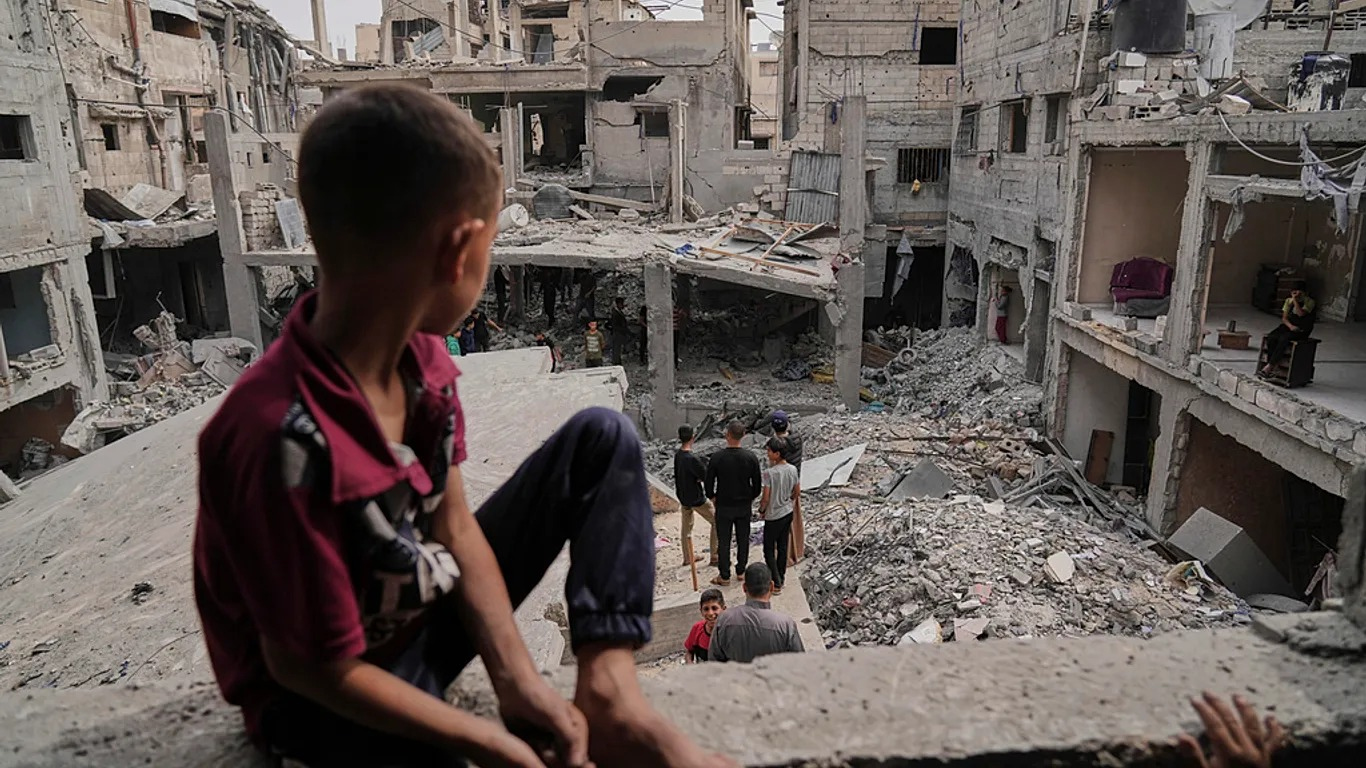
However, the degree to which these decisions are implemented remains limited. Despite their legal authority, both courts lack direct enforcement mechanisms, leaving compliance largely dependent on the political will of states.
Below are the relevant decisions and their enforcement status:
International Court of Justice (ICJ) Decisions
The ICJ is the UN’s principal judicial organ responsible for settling disputes between states. Its rulings are legally binding, but the Court has no independent enforcement capability.
South Africa’s Genocide Case Against Israel (2024)
| Stage / Ruling | Date | Details | Enforcement Status |
|---|---|---|---|
| Provisional Measures Order | 26 January 2024 | At South Africa’s request, the Court ordered Israel to implement six provisional measures to prevent acts prohibited by the Genocide Convention. These included: preventing genocidal acts, punishing direct and public incitement to genocide, and ensuring immediate humanitarian assistance. | Partially / Insufficiently Implemented: Israel rejected demands to halt its military operations. Although it claimed to have increased humanitarian aid access, UN bodies and NGOs reported that aid remained severely restricted and the Court’s objectives were not met. Civilian casualties and destruction continued to rise despite the order. |
| Additional Provisional Measures | March / May 2024 | Due to the deteriorating humanitarian situation, the Court ordered Israel to take all necessary steps to ensure the unimpeded delivery of essential services and humanitarian aid, to fully cooperate with relief efforts, to halt its military assault on Rafah, and to keep border crossings open. | Not Implemented: Israel launched ground operations in Rafah, directly contravening the Court’s order. Aid restrictions largely continued. |
Advisory Opinions on the Legal Consequences of the Occupation (2004 & 2024)
| Stage / Opinion | Date | Details | Enforcement Status |
|---|---|---|---|
| Wall Advisory Opinion (2004) | 9 July 2004 | The Court held that Israel’s construction of the separation wall in the West Bank violated international law, must be halted immediately, and that reparations should be provided. | Not Implemented: Israel continued building the wall, rejecting the decision and asserting that the barrier was for security purposes. |
| Advisory Opinion on the Legal Consequences of the Occupation (2024) | 19 July 2024 | At the request of the UN General Assembly, the Court found that Israel’s prolonged occupation, annexation, settlement policies, and discriminatory practices since 1967 violated international law. | Not Implemented: As with all advisory opinions, the ruling is non-binding. Israel has taken no steps to alter its policies. |
International Criminal Court (ICC) Investigation
The ICC prosecutes individuals for genocide, crimes against humanity, and war crimes. Because the State of Palestine is a party to the Rome Statute, alleged crimes committed in the occupied Palestinian territories fall under ICC jurisdiction.
| Stage | Date | Details | Enforcement Status |
|---|---|---|---|
| Opening of Formal Investigation | 2021 | The Office of the Prosecutor initiated an investigation into alleged war crimes and crimes against humanity committed by both Israelis and Palestinians in Gaza, the West Bank, and East Jerusalem since 1967. | Ongoing: Israel rejects ICC jurisdiction and refuses to cooperate. |
| Expansion of Investigation After 7 October 2023 | Post–7 October 2023 | The Prosecutor announced that new alleged crimes—including mass civilian killings, forced displacement, hostage-taking, and allegations of sexual violence—would be incorporated into the existing investigation. | Evidence Collection Phase: The investigation increasingly focuses on senior Israeli and Hamas officials. This may result in arrest warrants, though enforcement would depend on travel to ICC member states. |
| Expected Arrest Warrant Requests | Pending | The Prosecutor may seek arrest warrants for certain Israeli and Hamas leaders. | No Decision Yet: Even if warrants are issued, enforcement depends entirely on cooperation by ICC member states. Many previous ICC warrants remained unenforced for years because suspects never entered member-state jurisdictions. |
Summary of Enforcement
-
ICJ decisions, while legally binding, have not been fully implemented. Israel has frequently rejected the rulings as biased or politically motivated. The UN Security Council—responsible for enforcing ICJ judgments—has been unable to act due to the United States’ veto power.
-
ICC proceedings remain ongoing. No final judgments or arrest warrants have yet been issued. Nonetheless, the investigation represents a significant legal step toward individual accountability for international crimes.







Post Comment